867-5309/Jenny We Built This City
This is a story about smart radio promotion, and a couple of songs that lent themselves to it.
Did any of you ever actually dial “867-5309?” I did, way back in the day when I was about 6 or 7 years old (even though the song came out when I was 4.)
The song itself describes a “mating call,” if you will, that is always some variation of “For a good time call (insert phone number here)” which was typically written on a bathroom stall or wall. That started way before hook-up apps and the internet, obviously. But apparently it never really died.
The hilarious part was that unless it was a guy looking for another guy, it was usually a prank of some sort. I mean, how would a girl get into a guy’s restroom to write her number on the stall? I was reading some of the anecdotal accounts about this trend, and a lot of times it was a guy pranking other guys, sometimes putting one of their friends' numbers up there, and the friend never knew until he started getting lots of calls.
I was looking up the history of this song and the subsequent cultural phenomenon of this specific phone number. For context, this was before people dialed the area codes preceding the 7-digit number, unless it was a “long distance” call, which was an extra charge every time. (Remember that shit? Younger people today take for granted they can call anyone across the country with no extra cost.) You just dialed 7 digits and called whoever was in your locale. I can’t imagine this song with a 10-digit number; there’s no way it could possibly be this catchy.
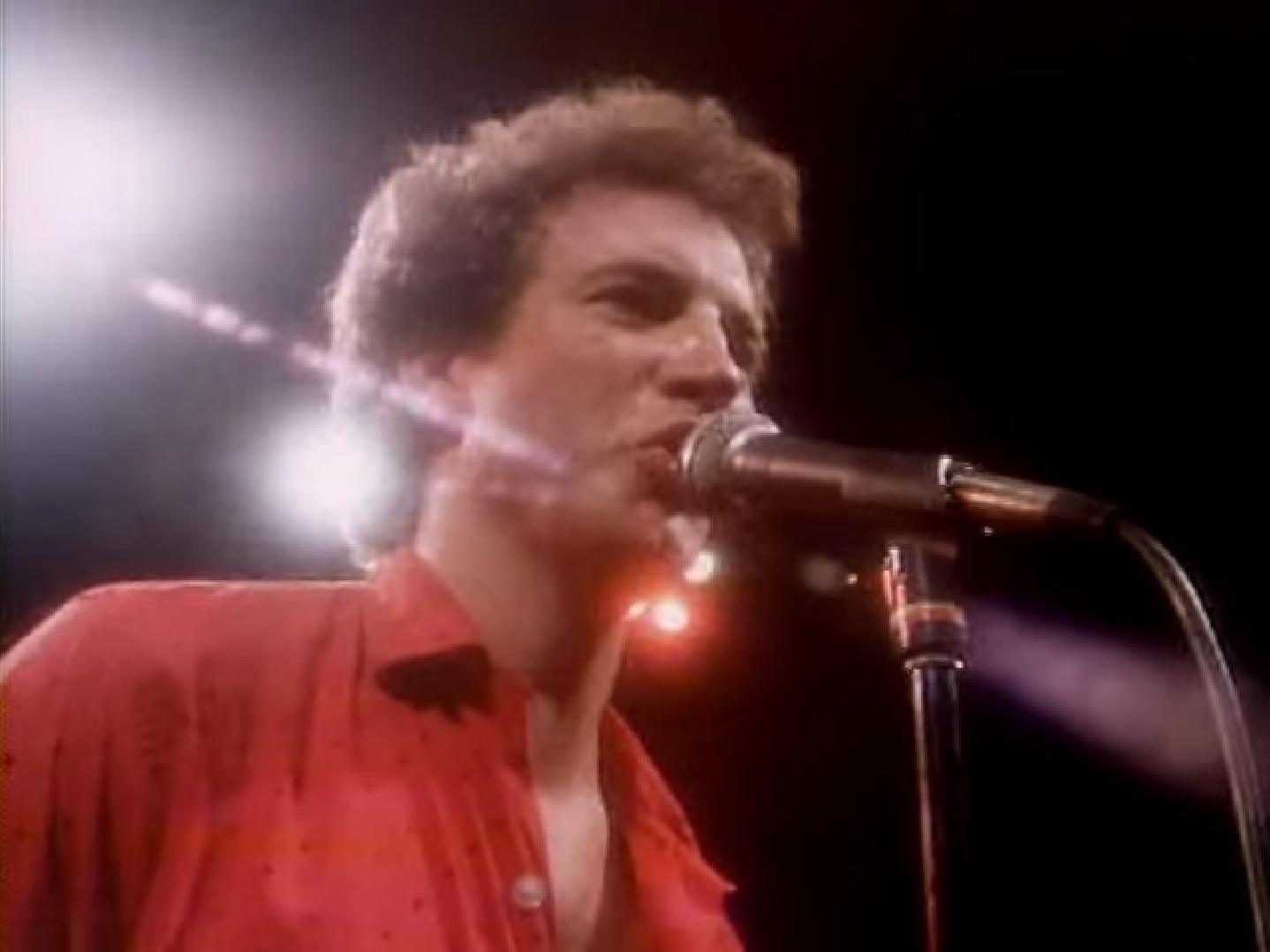
According to which band member you asked, they had conflicting stories about the origin of the lyrics. Lead guitarist Jim Keller and lead singer Tommy Heath both claimed it was a real girl with a real number, but their stories otherwise contradicted each other. Jim said he actually dated the girl after calling her number he saw written on a men’s bathroom stall, but Tommy said Jenny was his friend whose number he wrote on a motel bathroom wall as a prank.
However, co-writer Alex Call later debunked both of their stories, explaining that the band went with these accounts because it made for a more interesting tale. He came up with it while trying to write a 4-chord rock song, and the lyrics just fit perfectly. But there was no Jenny, and the number didn’t belong to anyone he actually knew.
I have a real soft spot for this song. The lyrics may be cheesy, but the chord progression gets in my head and takes up space for days, along with the really addictive hook of the chorus. It was on the air frequently when I had just begun to fall in love with pop radio. And that station I listened to almost exclusively was called KHTR 103 in my hometown of St. Louis.
I strongly recommend looking up some of the hilarious stories about people who dialed this number. A lot of people who owned the number had to change it, and one company sued another company because they both bought the number (in different cities) and tried to trademark it. And there are many more that are worth a read.
When I actually dialed the number back then, it played a recording with the song in the background: “Thank you for listening to KHTR 103, where you can hear all the greatest hits like ‘Jenny’ by Tommy Tutone!” My young self thought that was so cool! I was excited to tell everyone I could about it.
Props to them for buying the number for such a clever yet simple marketing tactic.
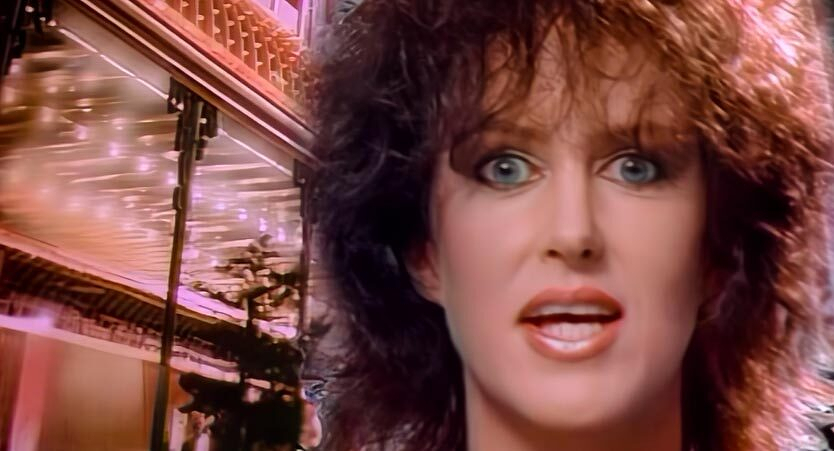
Fast-forward to 1986, when Starship released their song “We Built This City.” Oh man, I fucking loved this song back then. The harmonies of the chorus, the driving synths, and guitar riffs throughout had me hooked. And this level of production that made the song sound so big blew my mind. The sound of it takes up so much space. The video was cool too, although Grace Slick’s face kind of scared me as a kid. But my absolute favorite part of this song, even to this day, is the pre-chorus of “Marconi plays the mamba / Listen to the radio / Don’t you remember? We built this city…” Even after all of these years, that part gives me goosebumps. I’m listening to it right now as I write, and I’m getting choked up a bit. I don’t know if it’s just nostalgia, longing for a time when I actually wanted to listen to the radio… no, wait fuck that. It’s also the quality of the songwriting that I will definitely still go to bat for.
But getting back to radio promotion, the final pre-chorus of the song drops out the singing, and instead plays a DJ from a fictional San Francisco radio station talking about “The city by the bay, the city that rocks.” I didn’t know this until recently, but Starship also released a version of the song as a B-side that left the DJ part intentionally empty so local stations could dub their own promotions into it.
However, as a 9-year-old kid, I one day realized after several listens that the DJ in the song was talking about St. Louis and KHTR 103. I was so amazed by this. I could only imagine that Starship recorded different versions for each city, or they worked some incredible magic on the song to do that. So fucking clever.
There are other instances of this from back then, like Huey Lewis and the News' “The Heart Of Rock & Roll.” The original song has an outro where Huey shouts out names of cities like “Cleveland” and “Detroit!” The KHTR version apparently replaced these with “St. Louis” and “Champaign, Illinois!” Hilarious.
I have a lot more to write about radio in the 80s, but KHTR 103.3 will always have a special place in my heart, as do both of these songs.